Blog
Introduction to image composition
Photography is much more than just pressing the shutter button – it is a creative process that combines technical knowledge and artistic sensitivity. Image composition plays a central role in this: it determines how a subject is perceived, what mood is created and what message the photo conveys.
Images are more than mere representations of reality – they are powerful tools that appeal to our senses and emotions. From Stone Age cave paintings to high-resolution photos, images have the ability to captivate, move and inspire us. But how do they manage to fascinate the viewer so much? The key lies in the skilful use of visual and emotional stimuli. In this article, we take a look at how these elements work together and why they captivate us.

Luminance masks in Photoshop
Precise image editing with light
Luminance masks are one of the most powerful tools for precise, natural-looking image editing in Photoshop. Instead of selecting areas by hand, they allow you to create selections based on an image’s brightness values. This enables you to edit highlights, mid-tones and shadows selectively – with extreme precision and without harsh transitions.

UDI (Ultra Deep Image) Photoshop technique
Anyone who has ever worked with exposure bracketing knows the problem: individual photos are often either overexposed in the highlights or underexposed in the shadows. Classic HDR can compensate for this, but it quickly produces an unnatural look or distracting artefacts. With HDR, it is usually only worth taking series of 3 images, because the processing causes the data from all images to be lost, meaning that this data is no longer available for further processing. UDI is completely different, as all data is available until the finished image is output.

Camera profiling made easy – why it's worth it
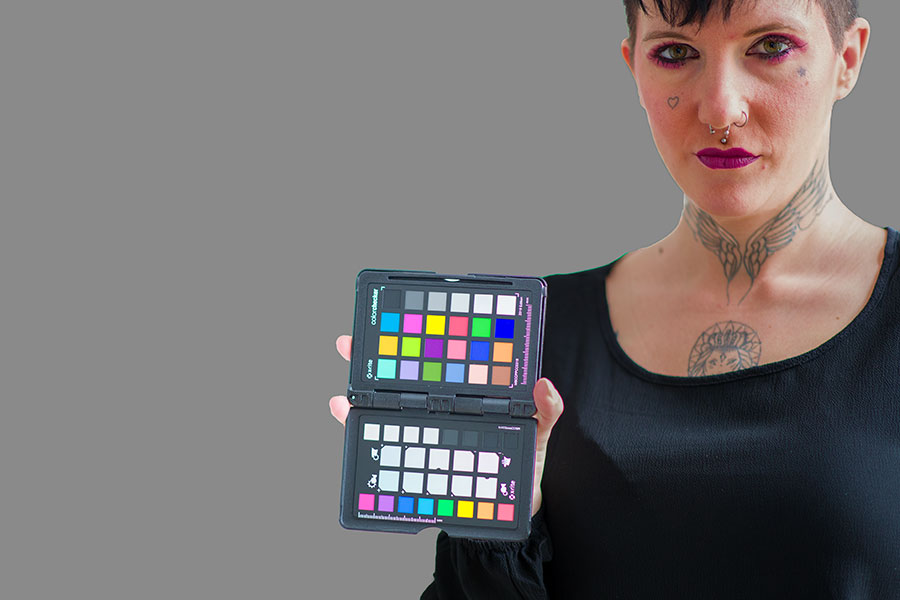
Profiling a digital camera refers to the systematic process of capturing the specific characteristics of a camera system and mapping them in a camera profile. The aim is to achieve colourimetric correction and consistent image output, regardless of the camera used or the time of recording.
In professional photography, camera profiling is essential to achieve high colour fidelity from capture to print. In product and fashion photography, this colour fidelity is absolutely essential. But even for amateur photographers, it is worth profiling the camera, as it saves time in post-processing and delivers better results.