
Profiling a digital camera refers to the systematic process of capturing the specific characteristics of a camera system and mapping them in a camera profile. The aim is to achieve colourimetric correction and consistent image output, regardless of the camera used or the time of recording.
In professional photography, camera profiling is essential to achieve high colour fidelity from capture to print. In product and fashion photography, this colour fidelity is absolutely essential. But even for amateur photographers, it is worth profiling the camera, as it saves time in post-processing and delivers better results.
Relevance of camera profiling
Digital camera sensors and internal image processing algorithms interpret light and colour individually. Factors such as sensor architecture, Bayer filter matrix, signal processing and lens characteristics lead to deviations from real colour reproduction. A camera profile compensates for these deviations so that images can be reproduced and displayed in a colour-neutral manner.
Methodology of profiling
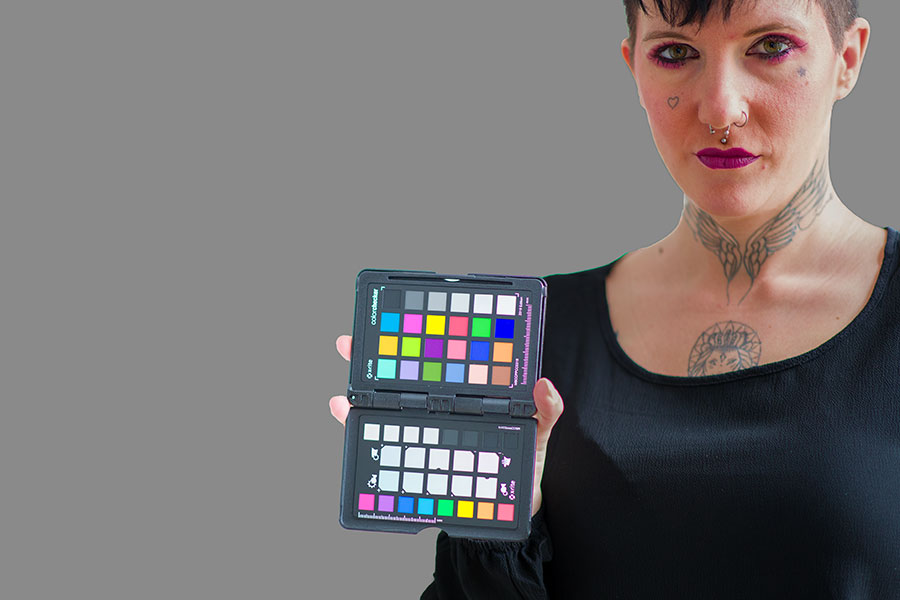
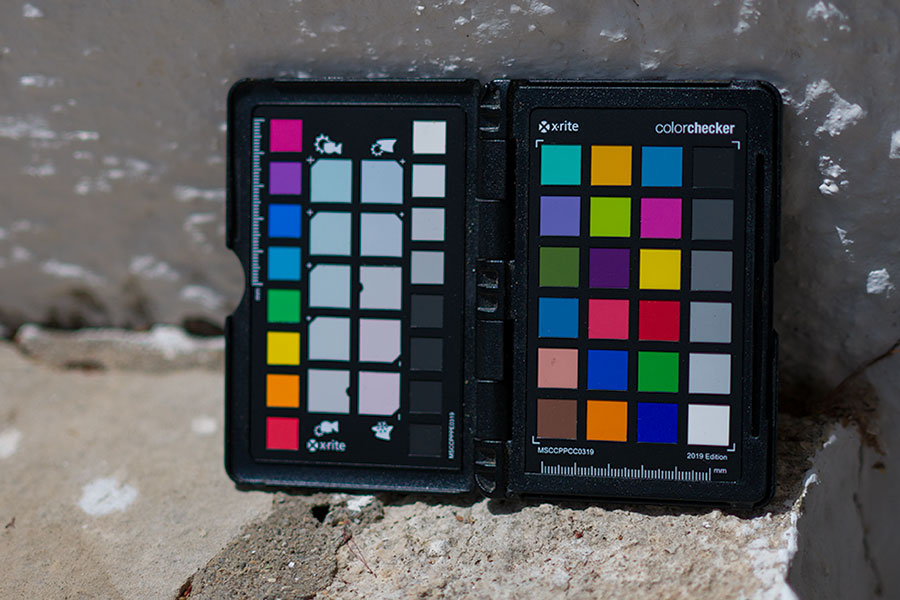
- Capturing a reference target: Typically, standardised colour charts (e.g. Calibrite ColorChecker) are photographed under controlled lighting conditions.
- Analysis of colour differences: Specialised software measures the deviation of the captured colour fields from the reference values in a defined colour space (e.g. sRGB, AdobeRGB, ProPhoto RGB).
- Generation of the camera profile: The software creates an ICC or DCP profile that mathematically corrects the deviations and takes into account the sensor-related characteristics of the camera.
- Integration into image processing: The profile is implemented in applications such as Adobe Lightroom, Capture One or Photoshop to ensure consistent and accurate colour representation.
Vorteile und Anwendung
-
Farbtreue: Exakte Reproduktion von Hauttönen, Produktfarben und Kunstwerken.
-
Gerätekonsistenz: Mehrere Kameras desselben Typs oder unterschiedlicher Systeme liefern vergleichbare Ergebnisse.
-
Effizienzsteigerung: Reduzierte manuelle Farbkorrektur in der Postproduktion.
-
Kreative Kontrolle: Möglichkeit, neben neutralen Profilen auch stilisierte Looks systematisch zu reproduzieren.
Fazit
Die Profilierung einer Digitalkamera ist ein essenzieller Bestandteil der professionellen Fotografie und unverzichtbar für Projekte, die präzise Farbdarstellung und reproduzierbare Ergebnisse erfordern. Sie gewährleistet, dass die Bildausgabe den realen Farben entspricht und minimiert den Korrekturaufwand in der Nachbearbeitung.


