
Anyone who has ever worked with exposure bracketing knows the problem: individual photos are often either overexposed in the highlights or underexposed in the shadows. Classic HDR can compensate for this, but it quickly produces an unnatural look or distracting artefacts. With HDR, it is usually only worth taking series of 3 images, because the processing causes the data from all images to be lost, meaning that this data is no longer available for further processing. UDI is completely different, as all data is available until the finished image is output.
This is exactly where UDI (Ultra Deep Image) comes in.
Simply take several photos of the same scene with different exposures (e.g. 5) – many cameras have a bracketing function for this purpose. It is important that the subject does not move, i.e. landscape, architecture or product photography. Work from a tripod and, if possible, with a remote release or self-timer to avoid camera shake. a subject that does not move, such as landscape, architecture or product photography. You work from a tripod and, if possible, with a remote release or self-timer to avoid camera shake.
These are layered on top of each other in Photoshop, packaged as smart objects and calculated in an Ultra Deep Image.
The special feature: all the original image data is retained.
This gives you enormous flexibility compared to HDR:
brightness and contrast can be freely adjusted afterwards without creating ugly tone breaks or artificial artefacts.
You can cleanly balance extremely bright and dark areas – and the image still looks natural.

When is UDI worthwhile?
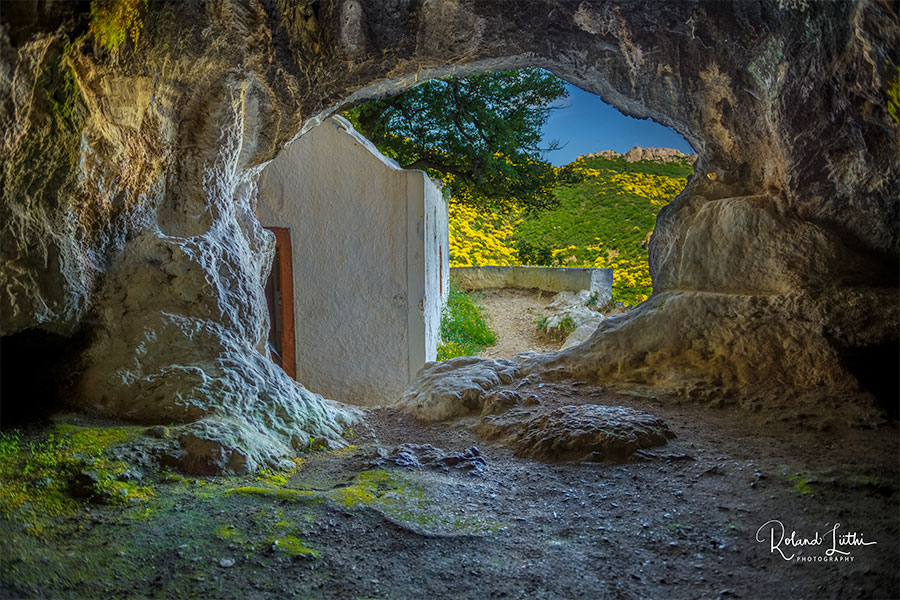
For landscape photos with a strong sky-earth contrast.
In architecture, when you want to have correct exposure both indoors and outdoors at the same time.
Whenever you want maximum control over the final result without losing image quality.
In short: Ultra Deep Image is like HDR – only better. You retain the full image depth, have more leeway during editing and avoid the typical HDR errors.


