Authenticity & ‘Intentional Imperfection’ in Photography
Why not every picture has to be perfect
At a time when image editing is becoming increasingly sophisticated and artificial intelligence can generate seemingly flawless images at the touch of a button, a counterpoint is becoming increasingly important: authenticity.
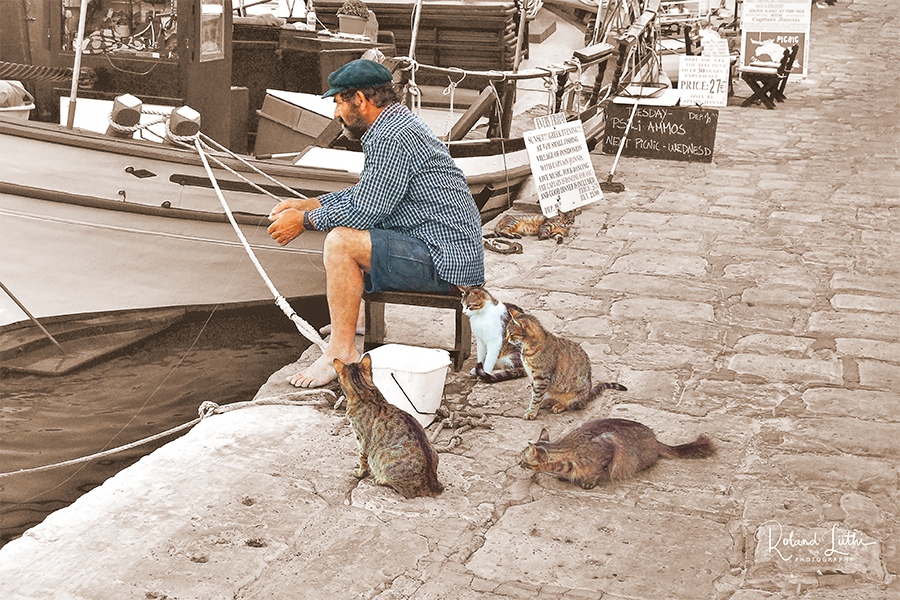
Many photographers today are consciously rediscovering the beauty of imperfection. Minor blurring, film grain, unusual compositions or visible traces of the photographic process are no longer regarded as flaws, but as creative elements. This concept is often referred to as intentional imperfection.
Read more: Authenticity & ‘Intentional Imperfection’ in Photography
The Future of Television
Why resolution is no longer the decisive factor – and what this means for photographers and video producers
For years, manufacturers have been pushing the resolution of televisions ever higher: from HD to Full HD, from 4K to 8K. But this race is reaching a natural limit – that of the human eye. For photographers, video producers and content creators, this opens up a new perspective on the future of image design.

Learning to see – one image, four interpretations
Recognising a good subject in photography requires experience. This experience does not come from theoretical knowledge alone, but above all from doing – and from consciously accepting mistakes. Anyone who takes photographs must be prepared to take pictures that don't turn out well. In digital photography in particular, this freedom is greater than ever: failed attempts no longer cost film, and unsuccessful shots can be deleted, analysed and left behind.
But before technology and image editing come into play, there is a much more fundamental step: thinking differently. It is not the subject itself that is decisive, but the way we see it. Exercises such as thinking in black and white or deliberately working through an image in different ways help enormously. They train the eye for shapes, contrasts, moods and visual statements.

Read more: Learning to see – one image, four interpretations
The role of photography in the modern world
Photography is much more than capturing a moment. In the modern world, it is a central medium of communication, a tool for remembering and a driver of social change. Technological innovations and digital platforms have multiplied its significance – it shapes how we see ourselves, how we absorb information and how we interpret reality.

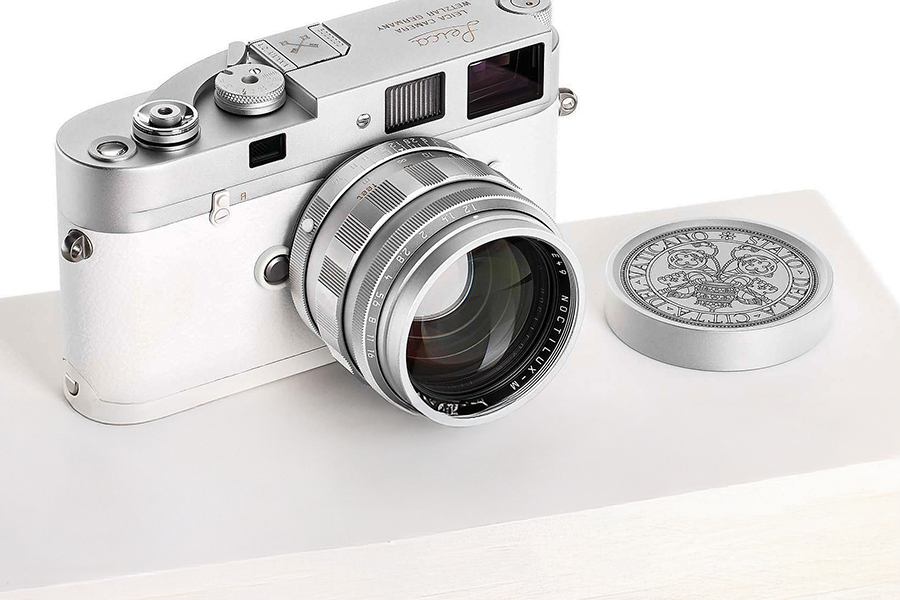
Pope Francis' unique Leica M-A
A record sale for a good cause
In November 2025, an extraordinary camera was auctioned at the 47th Leitz Photographica Auction at the Hotel Imperial in Vienna: a specially made Leica M-A, which Pope Francis (1936–2025) had received as a gift from Leica Camera AG in 2024. Leica Camera