
Blog
Analogue renaissance, digital future
How the trend towards film photography could trigger new innovations
Analogue photography has been experiencing a remarkable renaissance in recent years. Young photographers are discovering film cameras – often out of curiosity, often out of a desire to slow down – and in doing so are bringing technologies, ways of thinking and workflows back into consciousness that had long been considered obsolete. But this trend is much more than a nostalgic play with retro optics. It has the potential to inspire digital photography both technically and conceptually.

Why it's sometimes better to hold off on buying a camera
As soon as a manufacturer announces a new camera, the photography world is gripped by ‘must-have fever’. Forums are buzzing, YouTube is exploding with ‘first look’ videos, and some people feel morally obliged to whip out their credit cards immediately. After all, this camera is sure to make everything better: more dynamic range, more megapixels, more ‘wow!’.
But if we're honest, there are just as many reasons to take it easy. Here are a few of them – including some that are hard to admit.

Read more: Why it's sometimes better to hold off on buying a camera
The completion of a image
Why a photograph is more than just a digital image
One click, one moment, one digital image – done? Not quite. In an age when photos are taken in seconds and disappear just as quickly into the depths of our smartphones, it's easy to forget that photography was once a slow, deliberate process. A process that was only truly complete when the image – printed, framed, hung – had found its place in the world.
From fleeting pixels to lasting presence
Today, thousands upon thousands of photos are stored on our devices. We scroll, like, share – and forget. But the magic of an image does not arise on the display, but when it leaves the digital space and becomes physical. Only on the wall does a photo gain weight, context and meaning. It becomes part of a space, a story, a life.
A print is more than a piece of paper. It is a decision. Which motif is worth showing? On what material, in what format, in what light? Every printed photo is a statement – and the moment it hangs on the wall is the moment it is finished.

The new trend towards analogue photography
Photography is more ubiquitous today than ever before: smartphones, mirrorless cameras and social media ensure that billions of photos are taken every day. But at the same time, analogue photography is experiencing a remarkable resurgence. More and more people are returning to film cameras – not only because of the aesthetics, but also because of the special process behind them. A key difference between digital and analogue photography lies in their colour models.
The Nikon ZR: a camera and a strategy
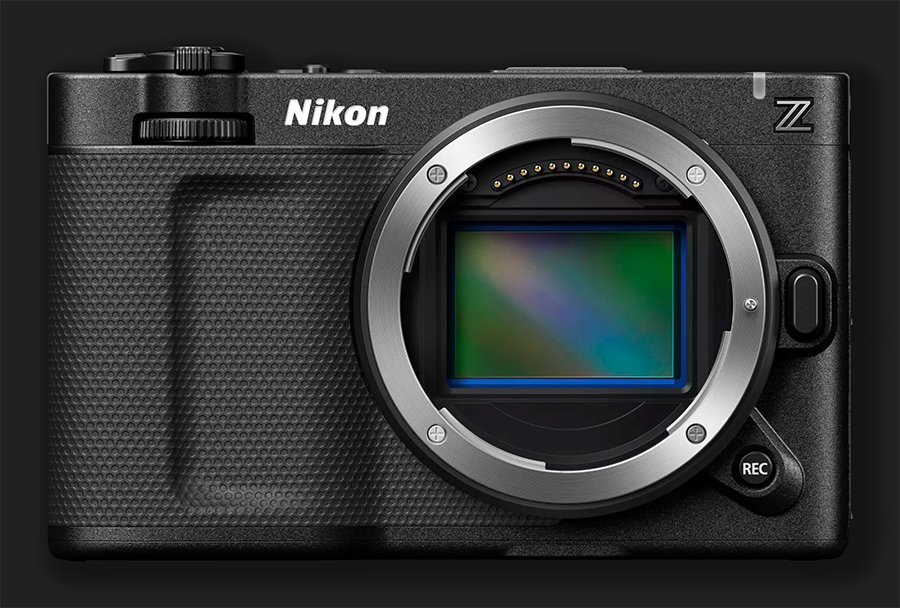
Normally, I wait until cameras like the Nikon ZR are available in stores. But the wave of early hate triggers me: behind the RED codec and compact design lies pure strategic gold. The mistake lies in viewing this camera from a limited perspective. But we photographers, of all people, should be masters of changing perspectives. Why is Nikon shaking up the market with this? The announcement of the Nikon ZR on 10 September 2025 was more than just the introduction of a new camera. It was a strategic statement. Because the ZR is not only Nikon's first true cinema-oriented camera – it is also part of a deeper alliance with RED Digital Cinema.
Select your language


