
The central element in photography – the subject
The subject is the visual and content-related focus of a photograph. But a subject alone is not enough – how it is presented in the image is crucial. Good photography means consciously directing the viewer's gaze. Photographers have numerous creative tools at their disposal to achieve this. When taking photos, people often forget about the subject, because only a well-staged subject stands out from the mass of images.

The Fibonacci spiral in photographic composition
Composition is a central element of photography – it determines whether a photo appears harmonious, exciting or even timeless. One of the best-known rules of composition is the Fibonacci spiral, which is based on a mathematical sequence of numbers and is used in photography as a powerful tool for composition.

Lines in image composition
The invisible architecture of photography
Lines are among the most powerful compositional elements in photography. They are often invisible in everyday life, but have an enormous effect in images: they direct the gaze, structure surfaces, create depth and convey emotions. Those who work consciously with lines gain control over the image's effect and the viewer's visual experience.

The golden ratio
Sometimes it is the simplest things that reveal the greatest secrets of aesthetics to us. The golden ratio is one of these secrets: a mathematical ratio of approximately 1:1.618 that has been regarded as a symbol of beauty, harmony and perfection for thousands of years.
From the pyramids in Egypt to Renaissance architecture and modern design classics, we find traces of the golden ratio everywhere. But what's special is that you carry this principle with you every day. It is hidden in your own body, visible for example in the proportions of your hand.
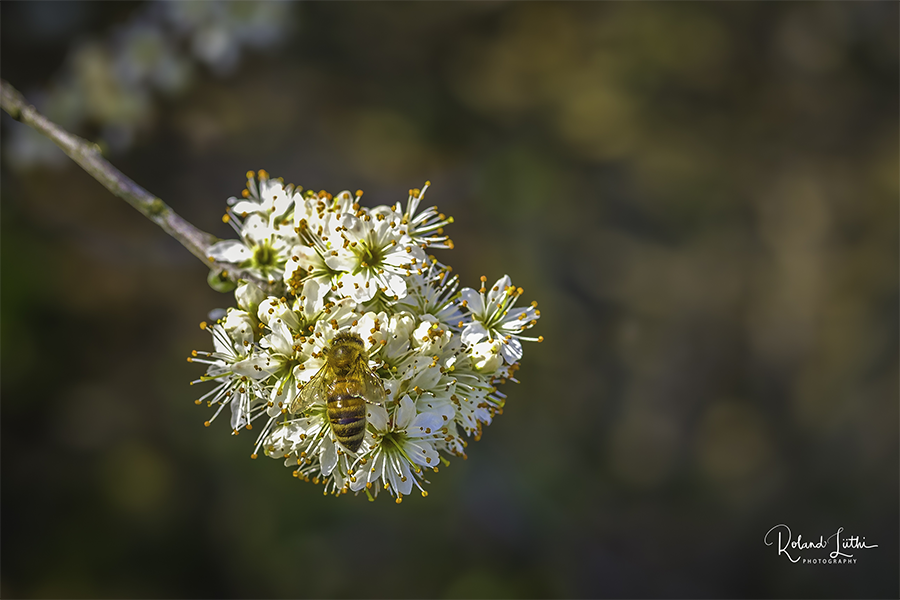
The myth of the rule of thirds
Why true harmony lies in the golden ratio
In many photography courses and on YouTube, it is taught like a magic spell: the rule of thirds. An image, it is said, appears more exciting and harmonious when divided into nine equal fields and the essential motifs are placed at the intersections. For beginners, this is a simple trick, a grid that provides certainty. But those who truly understand art know that this is not a law, but only a rough approximation of something much deeper – the golden ratio.