
Composition is a central element of photography – it determines whether a photo appears harmonious, exciting or even timeless. One of the best-known rules of composition is the Fibonacci spiral, which is based on a mathematical sequence of numbers and is used in photography as a powerful tool for composition.

Origin and meaning of the Fibonacci spiral
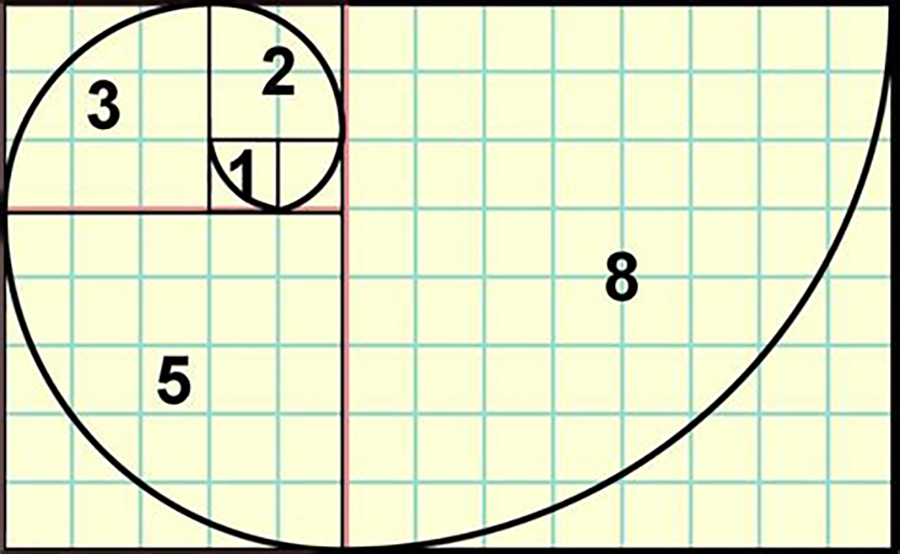
The Fibonacci spiral is derived from the Fibonacci sequence, in which each number is the sum of the two preceding numbers (1, 1, 2, 3, 5, 8, 13 ...). These numbers can be used to construct a rectangular pattern that forms a spiral line. This spiral is closely related to the golden ratio, which has been considered a measure of aesthetic harmony since ancient times.
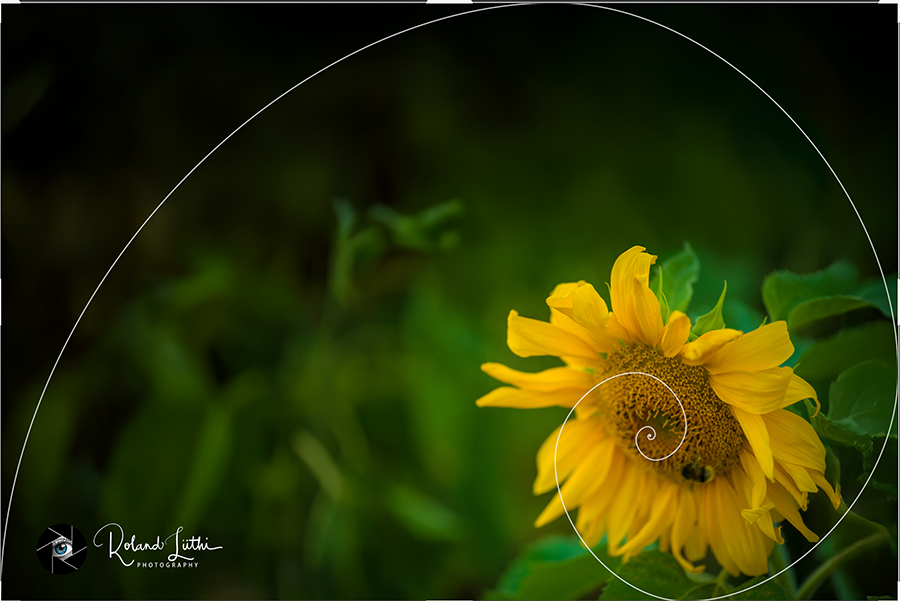
This spiral shape is often found in nature – for example, in snail shells, sunflowers and galaxies. It is precisely this natural harmony that makes the Fibonacci spiral so attractive for photography.
Application in photographic image composition
In photography, the Fibonacci spiral serves to guide the viewer's gaze through the image. Unlike the rule of thirds, which is based on clear lines and intersections, the spiral works with a soft, flowing movement.
Typical applications are:
- Placing the main subject in the innermost, narrowest part of the spiral
- Guiding lines (roads, rivers, arms, light gradients) that follow the course of the spiral
- Balance between calm and dynamism, especially in landscape, architectural and still life photography
The eye automatically wanders along the spiral and finally rests on the most important element of the image – an effect that appears very natural.
Advantages over classic design rules
The Fibonacci spiral offers several advantages:
- It appears more organic and less static than many grid rules
- It is ideal for asymmetrical subjects
- It supports storytelling, as the line of sight creates a visual narrative
It is particularly effective in nature, travel and fine art photography.
Practical tips for photographers
- Many cameras and image editing programmes (e.g. Lightroom or Photoshop) offer spiral overlays.
- The spiral can be rotated or mirrored – there is no ‘right’ or ‘wrong’, only a suitable line of sight.
- Not every image has to be strictly structured according to this principle: the Fibonacci spiral is a guideline, not a constraint.
Conclusion
The Fibonacci spiral is more than just a mathematical gimmick – it is an effective design tool for creating photos that are both harmonious and dynamic. Those who use it consciously can create images that intuitively appeal to the viewer and remain in their memory for longer. Combined with creativity and photographic flair, the spiral becomes a powerful tool for visual design.


