
Why not every picture has to be perfect
At a time when image editing is becoming increasingly sophisticated and artificial intelligence can generate seemingly flawless images at the touch of a button, a counterpoint is becoming increasingly important: authenticity.
Many photographers today are consciously rediscovering the beauty of imperfection. Minor blurring, film grain, unusual compositions or visible traces of the photographic process are no longer regarded as flaws, but as creative elements. This concept is often referred to as intentional imperfection.
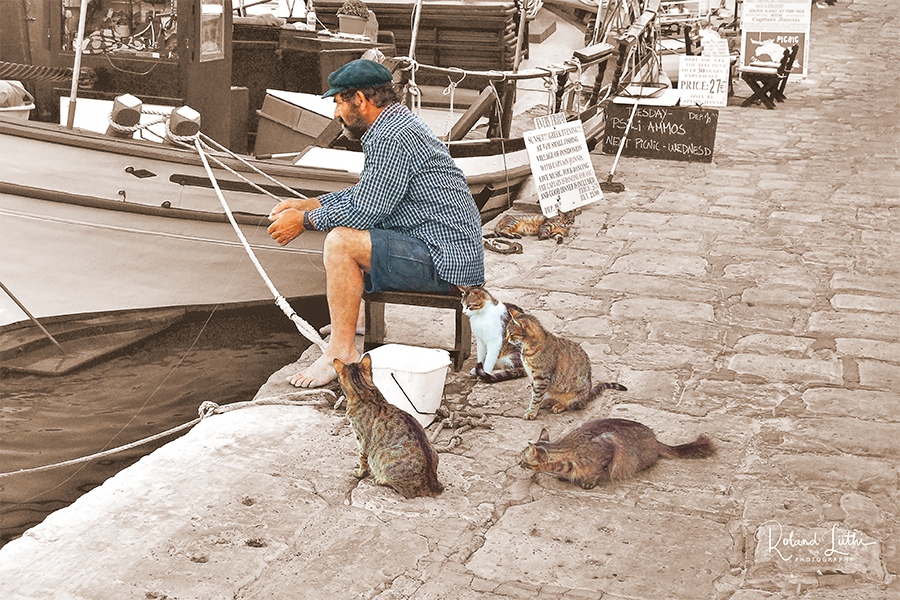
The longing for authenticity
People respond to images not only with their minds, but above all emotionally. A technically perfect photo may impress, but it does not necessarily move us. Often it is precisely the small irregularities that give an image character and tell a story.
A slightly blurred portrait can convey movement and liveliness. Analogue grain can evoke memories. A composition that is not quite symmetrical can appear more natural than a strictly perfect image structure.
Authenticity arises where the image shows not only what something looks like, but how it felt.
Perfection as a trap
Digital tools today allow for almost limitless optimisation of photographs. Skin can be smoothed, light altered and every distracting detail removed. However, this often creates a problem: The image loses its credibility.
When every detail is controlled and every irregularity eliminated, a photo can appear sterile. It no longer shows reality or the photographer’s personal perspective, but merely a technically optimised version of it.
In artistic photography in particular, expression often arises from individuality rather than technical flawlessness.
What does ‘Intentional Imperfection’ mean?
Intentional imperfection does not mean working carelessly or ignoring technical fundamentals. Rather, it is about deliberately employing elements that lend a photograph personality.
These include, for example:
- visible film grain or digital noise
- deliberately reduced sharpness
- unusual exposures
- natural skin textures without excessive retouching
- asymmetrical image compositions
- Motion blur
- artisanal printing processes with visible material texture
The crucial difference lies in the intention. Imperfection is not accepted by chance, but deliberately employed as part of the visual language.
The photographer’s signature
Every artist develops their own visual language over time. This often arises precisely through decisions that deviate from established standards of perfection.
Many famous photographs in history would not stand up to today’s technical standards. Yet they endure because they convey emotion and possess a distinctive signature.
The question should therefore not be:
“Is this image perfect?”
But rather:
“Does this image have character?”
Materiality as part of the image’s impact
This concept becomes particularly clear with high-quality printing processes. The choice of substrate significantly influences the perception of an image.
If, for example, a photograph is printed on canvas, a visible surface texture emerges that is reminiscent of classical paintings. The texture of the material becomes part of the artwork and lends the image additional depth and presence.
In this way, photography and traditional art forms merge. The result feels less like a digital product and more like a unique, handcrafted work of art.

The courage to have your own perspective
Ultimately, authenticity means trusting your own photographic vision. Not every trend needs to be followed, nor every technical possibility utilised.
The most exciting images often emerge when photographers make conscious decisions that align with their personal conception of aesthetics – even if these deviate from conventional ideals of perfection.
For art thrives not on flawlessness, but on personality.
Conclusion
The increasing perfection of modern imaging technology makes authenticity more valuable than ever. Deliberate imperfection is not a sign of poor quality, but can be a powerful creative tool.
“Intentional Imperfection” reminds us that photography is more than technical precision. It is an expression of perception, emotion and individuality.
Sometimes the true beauty of an image lies precisely in the details that, by conventional standards, would be described as flaws.


