
Photography is more ubiquitous today than ever before: smartphones, mirrorless cameras and social media ensure that billions of photos are taken every day. But at the same time, analogue photography is experiencing a remarkable resurgence. More and more people are returning to film cameras – not only because of the aesthetics, but also because of the special process behind them. A key difference between digital and analogue photography lies in their colour models.
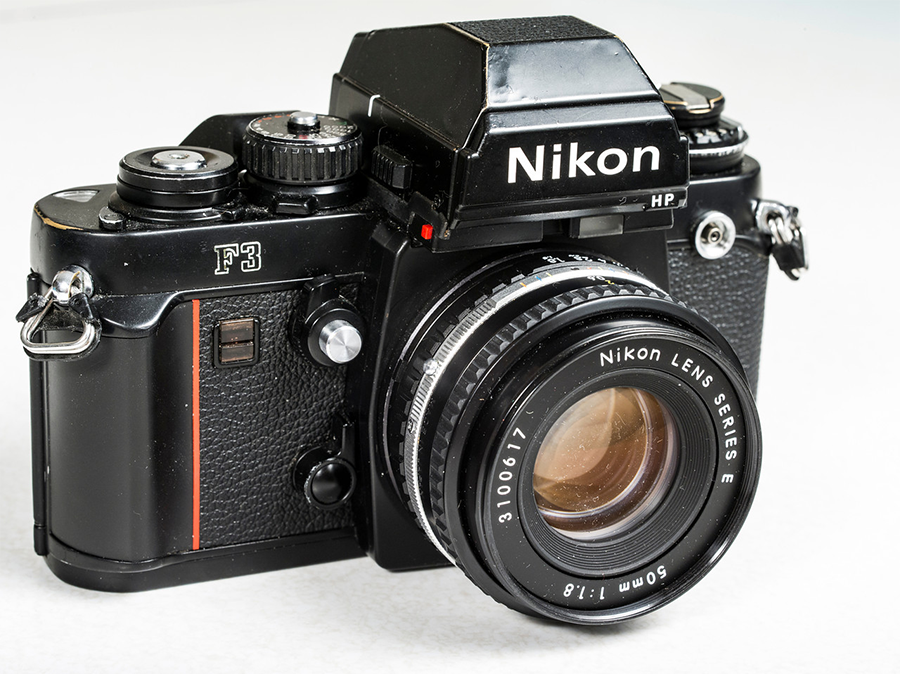
Digital: colours through addition
Digital photography works with light. It is based on the additive colour model, which uses the primary colours red, green and blue (RGB). Each pixel of a sensor captures portions of these colours, which are later combined. When the colours are added together, new shades are created: red and green produce yellow, blue and green produce cyan, and all three together produce white. The more coloured light is added, the brighter the image becomes.
This principle makes digital images particularly vibrant and brilliant. It is also the same process used by screens and projectors – perfect for the digital world, where photos can be viewed, shared and edited instantly.
Red + green = yellow
Red + blue = magenta
Blue + green = cyan
Red + green + blue at full intensity = white
Analogue: the subtractive colour model
Analogue photography works in a completely different way. Here, images are created through chemical processes on light-sensitive film that works with dyes. The underlying subtractive colour model uses the primary colours cyan, magenta and yellow (CMYK). These colours work by filtering out certain light components: cyan removes red, magenta filters out green, and yellow blocks blue. The more layers of colour are superimposed, the darker and more saturated the image becomes.
This principle is not only the basis of analogue photography, but also of classic printing. Anyone who exposes a photo or prints it on paper is essentially always working with the subtractive model.
Cyan filters out red
Magenta filters out green
Yellow filters out blue
This subtraction of light makes the image appear darker as more layers of colour are added. Combining all three primary colours produces a deep brown. To create black or grey, you need a black grid, which is why it is called the key, because this grid is the key to the contrasts. This model is also the basis of classic photo printing and modern inkjet printers.
Useful or just a trend?
It can certainly be useful – on several levels, even though we live in a highly digital world today. The most important arguments for this are:
- Awareness and mindfulness: In analogue photography, every shutter release is valuable. You often only have 24 or 36 images per roll of film (12 or 24 images for medium format), which forces you to think more carefully: Which motif is really worth capturing? How does the light affect the image? Is the framing right? This trains you to have a keen eye and work more consciously – skills that can also be used later in digital photography.
- Understanding the photographic process: Those who work with analogue photography understand photography from the ground up. You learn that images are not ‘instantly there’, but are created through chemistry, exposure and development. This process conveys a deeper understanding of light, colours and technology, which also pays off in digital photography.
- Aesthetics and character: Analogue photos often have a distinctive effect: an organic grain, soft transitions, colours that look completely different from the digital RGB world due to the subtractive colour model. This look is difficult to imitate and gives images a special atmosphere.
- Slowing down: In an age where we take hundreds of digital pictures every day, analogue photography offers a counterpoint. It forces us to slow down – and can almost act as a form of creative meditation.
- Limitation as a creativity booster: Instead of getting lost in the multitude of settings and post-processing options, analogue photography limits itself to the essentials: image composition, exposure, moment. This reduction can even promote creativity.
- Cultural and artistic value: Analogue photography is not only a technique, but also a piece of cultural history. It continues to shape visual aesthetics today and inspires many artists because it lends images a special authenticity.
In short: It makes sense to engage with analogue photography today – not necessarily as a replacement for digital, but as a complement. Those who photograph analogously learn to work more precisely, more consciously and with a different view of the subject. This not only sharpens technical understanding, but can also enrich one's own visual language in the long term.
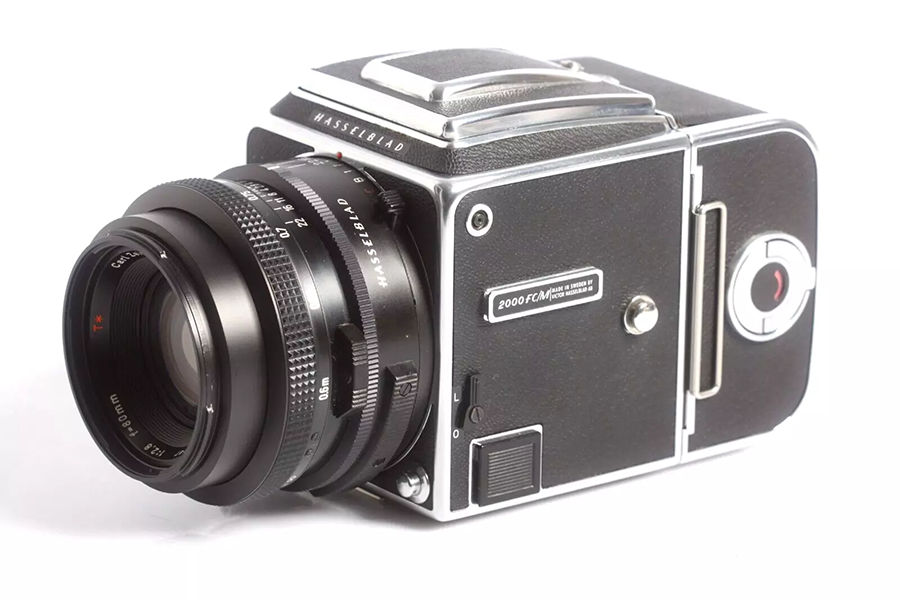
Two worlds – one subject
Ultimately, it is not only technical differences that separate digital and analogue photography, but also different approaches. Digital photography excels in speed, brightness and flexibility, while analogue photography impresses with depth, character and a more conscious approach.
Perhaps this explains the new fascination with film: In a world of digital abundance, we are rediscovering the value of limitation – and the special magic of the subtractive colour model.
Perhaps this is also the appeal of the current trend: in an age when pixel images can be altered at will, analogue photography inspires with its immediacy – and the unique magic of the subtractive colour model.


