
In photography, there are a variety of accessories that may seem insignificant at first glance, but are actually extremely useful. A lens hood – often referred to as a lens shade – falls into this category. Many amateur photographers do without them or see them merely as a visual addition to the camera. In fact, however, the lens hood is an essential tool that improves image quality, makes handling easier and even serves as protection.

Reduction of stray light and lens reflections
The most important reason for using a lens hood is already contained in its name: it blocks stray light. This is light that enters from the side and does not come directly from your subject, but from strong light sources such as the sun, lamps or reflective surfaces.
Without a lens hood, these rays can enter the lens and create unwanted effects such as lens flares, loss of contrast or a milky veil in the image. With a lens hood, the light remains controlled – colours appear richer, contrasts stronger and sharpness clearer.
Improved image quality in difficult lighting conditions
The difference is particularly noticeable in situations with backlighting, side sunlight or night shots with street lights. Even though modern lenses are equipped with multi-layer coatings, they cannot completely eliminate physical effects. The lens hood is a simple and effective addition here.
Protection for the lens
Ein oft unterschätzter Vorteil: Eine Streulichtblende schützt das Objektiv physisch.
- Shock absorber: It acts like a small ‘bumper’ and prevents the front lens from being damaged directly if the camera is knocked.
- Protection against fingerprints and raindrops: We've all been there – you get too close to your subject or accidentally touch the lens. With a lens hood in between, the glass surface stays cleaner.
I myself even do without protective filters and rely on the lens hood as my primary safety measure.
No disadvantages – only advantages
Another point in favour of using a lens hood is that it does not negatively affect image quality. On the contrary, it optimises it. Even indoors or in diffuse light, there is no harm in leaving it on the lens.
Only with very strong wide-angle lenses can the hood protrude into the image if it does not match the focal length. In this case, you should make sure to use the model specifically designed for the lens.
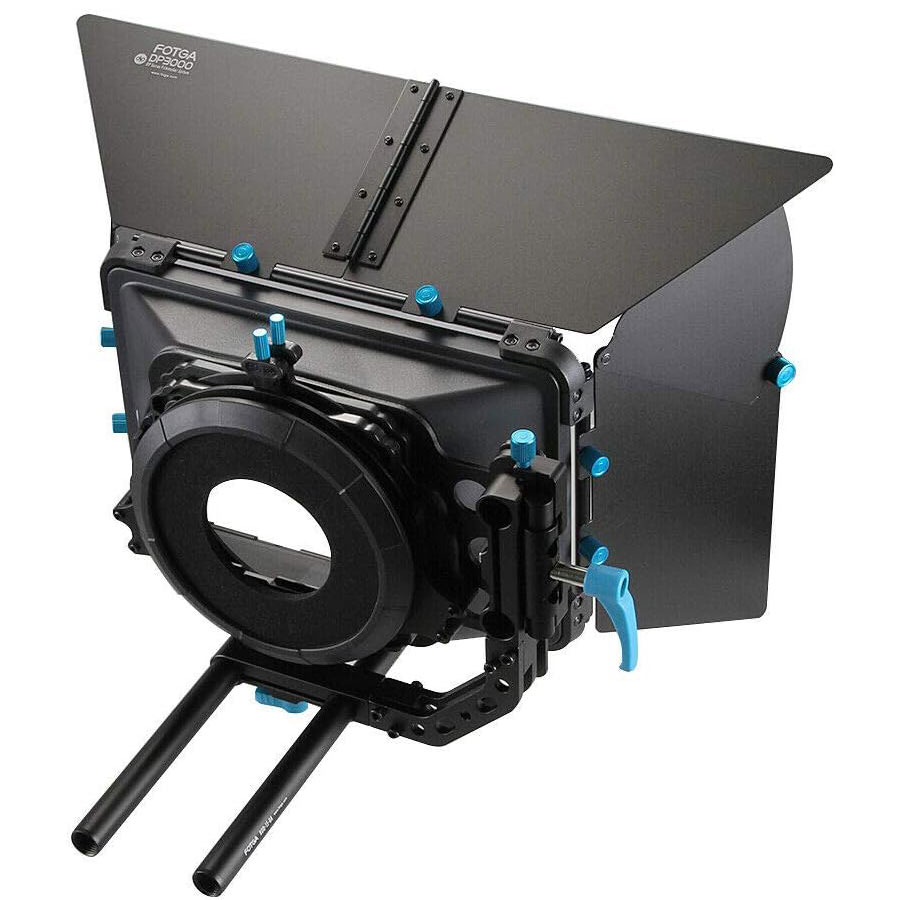
Lens hoods cannot be used when photographing with a plug-in filter system. However, you can use a compendium such as the one offered by Lee Filters, or you can use a matte box with French flags attached, as is commonly seen in film.
Conclusion
A lens hood is small, lightweight and costs next to nothing compared to the price of a camera or lens – yet it offers enormous benefits. It improves image quality, reduces annoying light reflections, protects the lens and has no disadvantages whatsoever. That's why it should always be in your camera bag and ideally remain permanently attached to the lens.
In short, if you take photographs without a lens hood, you are voluntarily sacrificing sharpness, contrast and reliability – and for no good reason.


