
How Modern Technology Is Democratizing Filmmaking
Never before in history has it been so easy—and at the same time so affordable—to produce a movie as it is today. What was reserved just a few decades ago for major studios with multi-million-dollar budgets is now accessible to ambitious filmmakers, photographers, and creative storytellers with comparatively modest financial resources.
The digital revolution has fundamentally transformed film production. Camera technology, lenses, editing software, and scriptwriting tools are now available in a quality that was once accessible only to professional production companies.
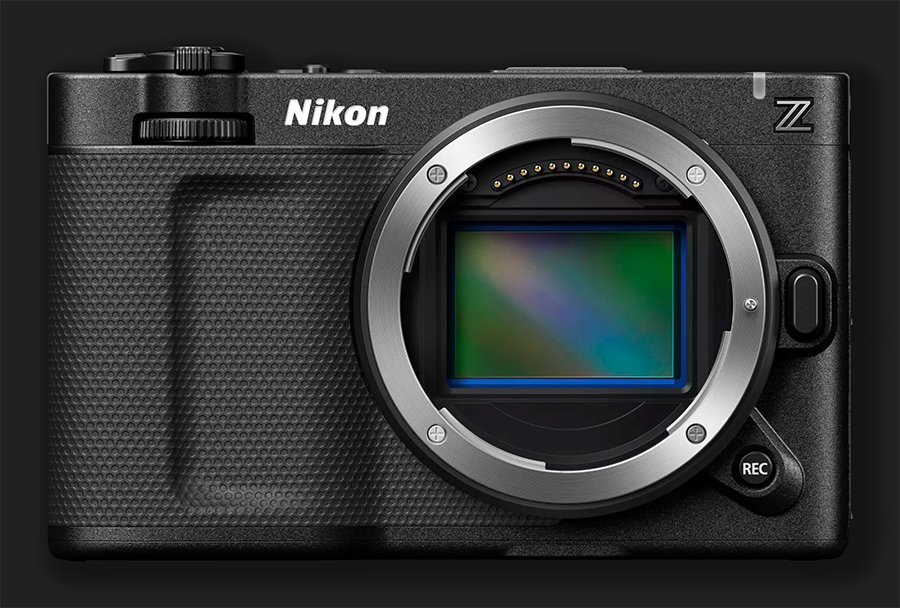
The camera as the heart of production
A particularly impressive example of this development is the Nikon ZR. The camera combines modern sensor technology with the image processing and expertise of RED Digital Cinema, a company whose cameras have been used in Hollywood productions for years.
This gives independent filmmakers access to image quality that, just a few years ago, would have been achievable only with significantly more expensive cinema cameras. High dynamic range, professional video formats, and flexible post-production options make such cameras serious tools for film productions of all kinds.
The cinematic look has become affordable
It’s not just the cameras themselves that have become more powerful. Lenses have also undergone a tremendous surge in development.
Anamorphic lenses, in particular, are enjoying growing popularity. They create the characteristic widescreen look that many viewers recognize from major cinema productions. The typical horizontal lens flares, the distinctive background blur, and the cinematic aspect ratio give productions a high-quality feel.
While anamorphic lenses used to be virtually unaffordable, today numerous manufacturers offer models at prices that are realistic even for independent filmmakers. What’s more, with companies like Red-Cinema and Nikon, the large Z-mount and short flange focal distance allow the lenses to deliver even higher image quality.
Professional film editing doesn’t have to be expensive
After shooting, the real magic often begins in the editing room. Here, too, the situation has changed fundamentally.
With DaVinci Resolve, one of the world’s most powerful editing and color grading software suites is available in a free version. The software is used even on major Hollywood productions and offers tools for editing, color grading, visual effects, motion graphics, and audio editing all in a single application.
Those who need additional features can purchase the Studio version at a price that is surprisingly affordable compared to earlier professional systems.
As a result, even small productions today have access to tools that operate at the highest technical level.
Film Lighting
Lighting has also become more affordable. For one thing, you don’t necessarily need spotlights for outdoor scenes; often, a few reflectors are sufficient. You can also purchase films from the filter manufacturer Lee Filters that soften direct sunlight in the scene. In addition, there are numerous manufacturers of LED spotlights; for example, Novoflex has acquired the manufacturer Hedler. Unlike older spotlights, the color temperature of LED light sources can be adjusted continuously. The advantage of LED spotlights over older models with tungsten filament bulbs and halogen bulbs is their lower heat output and thus higher energy efficiency. You also don’t have to constantly replace bulbs because LEDs have a longer lifespan.
Good Sound
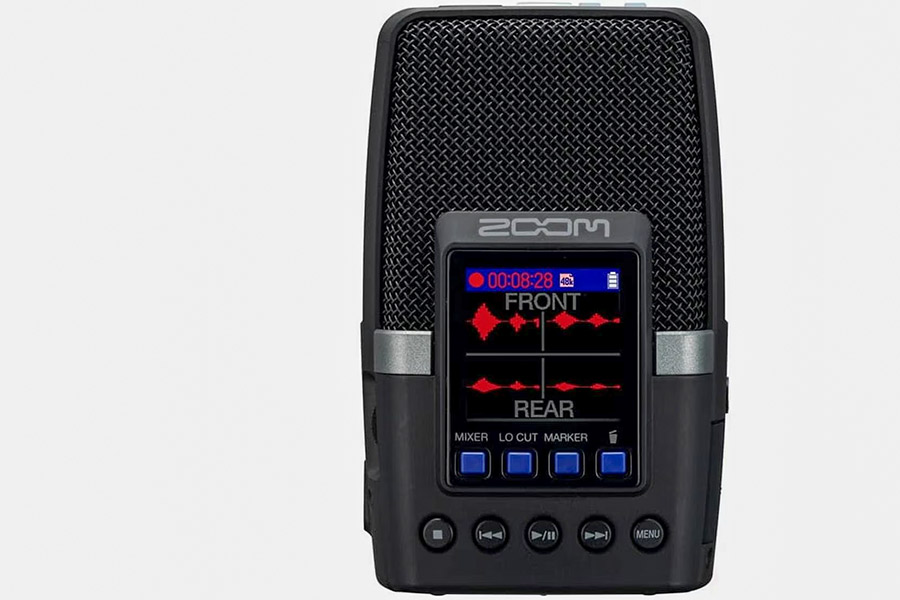
A film can’t do without good sound. Fortunately, it’s possible to record excellent sound even on a small budget today. Even inexpensive clip-on microphones or compact directional microphones deliver significantly better quality than the built-in microphones on cameras. Especially during dialogue scenes, the microphone should be positioned as close as possible to the person speaking. External recording devices are useful because they allow you to record sound in 32-bit format, providing room for adjustment during post-production.
There are large databases of sound effects available online, some of which are even free.
The most important takeaway: You don’t need a big budget for good film sound. With a simple external microphone, some attention during filming, and careful post-production, you can achieve sound quality that significantly enhances the overall impression of a film.
The Screenplay Is Created Almost for Free
Every film begins with an idea—and a screenplay.
Today, expensive software is no longer necessary for this either. Trelby is a free open-source solution that enables professional screenwriting. The program supports the standardized formatting of film scripts and runs on Windows, macOS, and Linux.
For aspiring screenwriters, this offers a simple and cost-effective entry into the world of storytelling. Instead of paying high licensing fees, the budget can be invested in more important areas of production.
Creativity beats budget
The biggest change, however, lies not in the technology itself, but in the ability to tell stories independently.
In the past, access to the film industry was heavily dependent on financial resources. Today, talented filmmakers can produce films with relatively minimal equipment that look technically impressive and reach an international audience.
Streaming platforms, video portals, and social media offer additional distribution channels that were once barely conceivable. A film no longer has to be distributed through traditional cinema channels to find an audience.
Conclusion
The barriers to film production have dropped dramatically in recent years. Cameras like the Nikon ZR, affordable anamorphic lenses, professional software like DaVinci Resolve, and free tools like Trelby now make it possible for virtually anyone to realize high-quality film projects.
Of course, modern technology cannot replace creativity or good storytelling. But it gives filmmakers the freedom to bring their visions to life without relying on a large budget.
The dream of making your own feature film is more realistic today than ever before. Technology is no longer the biggest challenge—it’s the story that needs to be told.


