
An important right for photographers
Anyone who takes photographs encounters it constantly, often without realising it: the freedom of panorama. It is an essential part of copyright law and enables photographers to photograph buildings, monuments, works of art and other objects permanently situated in public spaces, and to publish the resulting images.
Without the freedom of panorama, photography as we know it today would be almost inconceivable. Many famous cityscapes, travel photographs or documentaries of public life could not be published without further ado, as the consent of the rights holder would be required for every copyright-protected building or work of art.
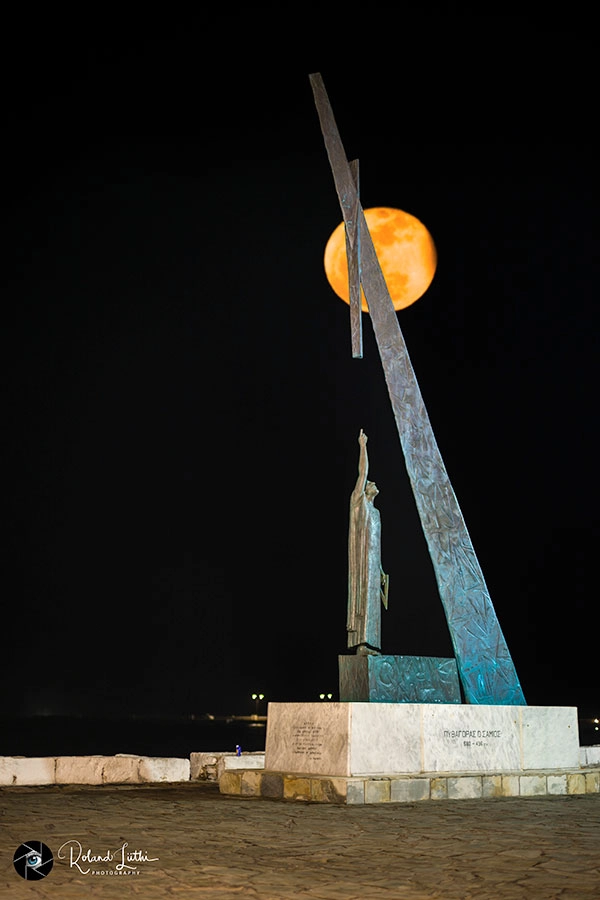
The freedom of panorama is based on a simple principle: anything that is permanently visible from public paths, roads or squares may, in principle, be photographed and the photograph published. It thus strikes a balance between the rights of copyright holders and the public’s interest in the documentation and representation of public space.
Nevertheless, the freedom of panorama is not unlimited. In many countries, it applies only to photographs taken from generally accessible locations. Anyone who, for example, enters private property, uses a drone or employs special equipment may be operating outside this scope of protection. Furthermore, the legal regulations vary considerably from country to country. Whilst some countries recognise a far-reaching freedom of panorama, in others it is restricted or does not exist at all.

It is therefore important for photographers – particularly travel and architectural photographers – to be familiar with the relevant national regulations. A photograph that may be published without issue in one country could raise legal questions in another.
Freedom of panorama is more than just a legal exception. It enables the visual documentation of our cities, our culture and our contemporary history. It protects the freedom of art, journalism and the creative engagement with public space. Without it, many images that we take for granted today would never be able to be published.
For us photographers, the freedom of panorama is therefore not merely a legal technicality, but a vital foundation of our creative work and our ability to make the world around us visi


