
Benefits, interpretation and critical points
The histogram is one of the most important tools in modern digital photography. It provides a graphical representation of the brightness and colour distribution in the image and helps photographers to assess exposure and contrast more objectively than by simply looking at the camera display. But as helpful as it is, the histogram can also be misleading if you don't know its limitations.
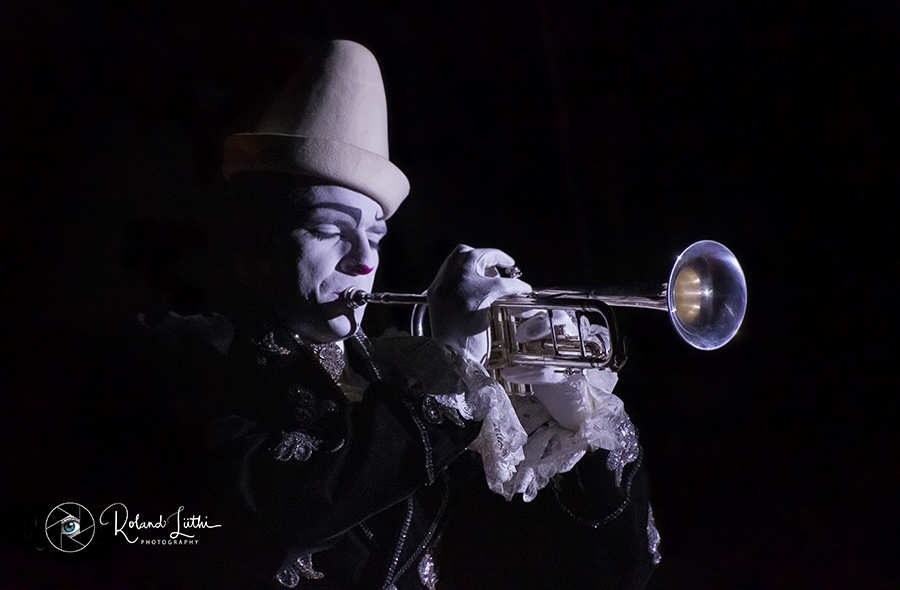
What the histogram shows
A histogram distributes the tonal values of an image from very dark (left) to very light (right). The height of the bars indicates how many pixels are in each brightness range. This allows you to see:
- whether an image tends to be too bright or too dark,
- whether it contains contrasts or appears rather dull,
- whether areas are overexposed (‘blown out’) or underexposed (‘muddled’).
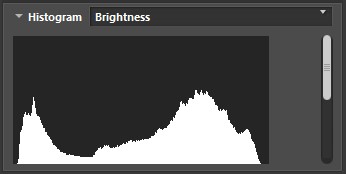
Why the histogram is so useful
- A quick, objective assessment of exposure – regardless of display brightness.
Especially in difficult lighting situations (e.g. backlighting), it helps to find a balanced exposure.
It reveals what the eye often overlooks in the viewfinder – such as clipping in highlights or shadows.
Critical points and limitations of the histogram
As valuable as the histogram is, it does not always correspond to the reality of the final image. There are a few important limitations to be aware of:
1. Histograms in the camera are based on the JPG – not the RAW file
This is one of the most common pitfalls.
- The camera histogram is always calculated from the JPG preview, even if you are shooting exclusively in RAW.
- JPGs have a lower dynamic range, stricter tone compression and use the camera's internal image styles.
Consequence:
The histogram often shows clipping, even though information is still contained in the RAW file. Especially in the highlights, details can often be salvaged later in RAW development, even though the camera histogram signals overexposure.
2. The luminance histogram can be misleading
Many cameras display a luminance or brightness histogram by default. The problem:
- The luminance calculation weights the colour channels differently (green is weighted more heavily than red and blue).
- As a result, individual colour channels may already be overexposed, even though the luminance histogram looks harmless.
Example:
If the green channel forms peaks on the right-hand side, colour clipping may occur despite an unremarkable luminance histogram.
3. The RGB histogram provides better warning signals
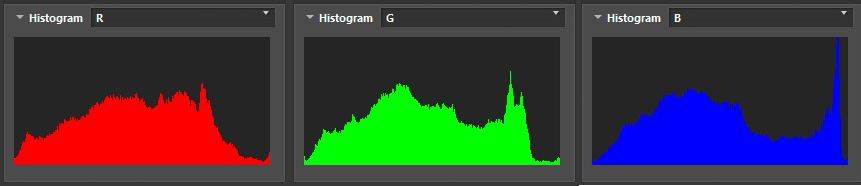
The RGB histogram shows the individual colour channels separately. This makes the following visible:
- Overexposure: when a single channel (e.g. green) reaches the right-hand edge and ‘piles up’.
- Underexposure: when all three channels are clustered on the left.
- Colour casts: when the channels are distributed very differently.
The RGB histogram is significantly more reliable, especially for subjects with strong colours (sunsets, neon lights, stage lighting, vegetation).
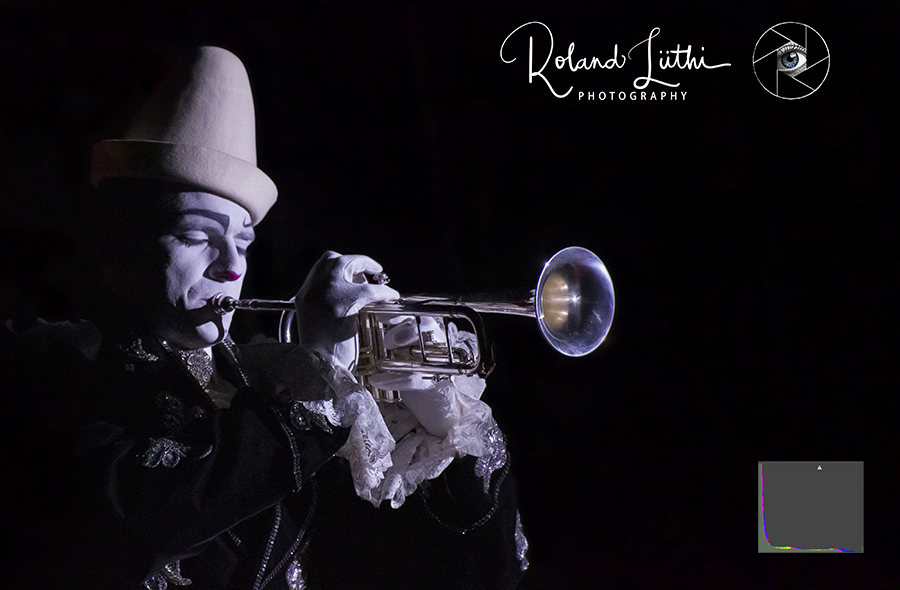
4. Histograms say nothing about the subject, style or desired effect
There is no such thing as a ‘perfect’ histogram. Creative decisions such as low key, high key or hard contrasts deliberately create unbalanced histograms.
Conclusion
The histogram is an excellent tool for assessing exposure, but it should be interpreted with care. RAW photographers in particular benefit from knowing its limitations: since the camera histogram is based on the JPG, it often appears more restrictive than the RAW dynamic range actually allows. In addition, the RGB histogram usually provides much more precise information than a pure luminance histogram. Working with the histogram is a learning process in which you learn to interpret light correctly.
If you take these factors into account, you can use the histogram in a more targeted manner – without being confused by its possible misinterpretations.


